

Concert and Ethnic Dance in Israel: A Century of Divergence and Convergence
Dr. Ruth Eshel
Listen to the introduction
Abstract
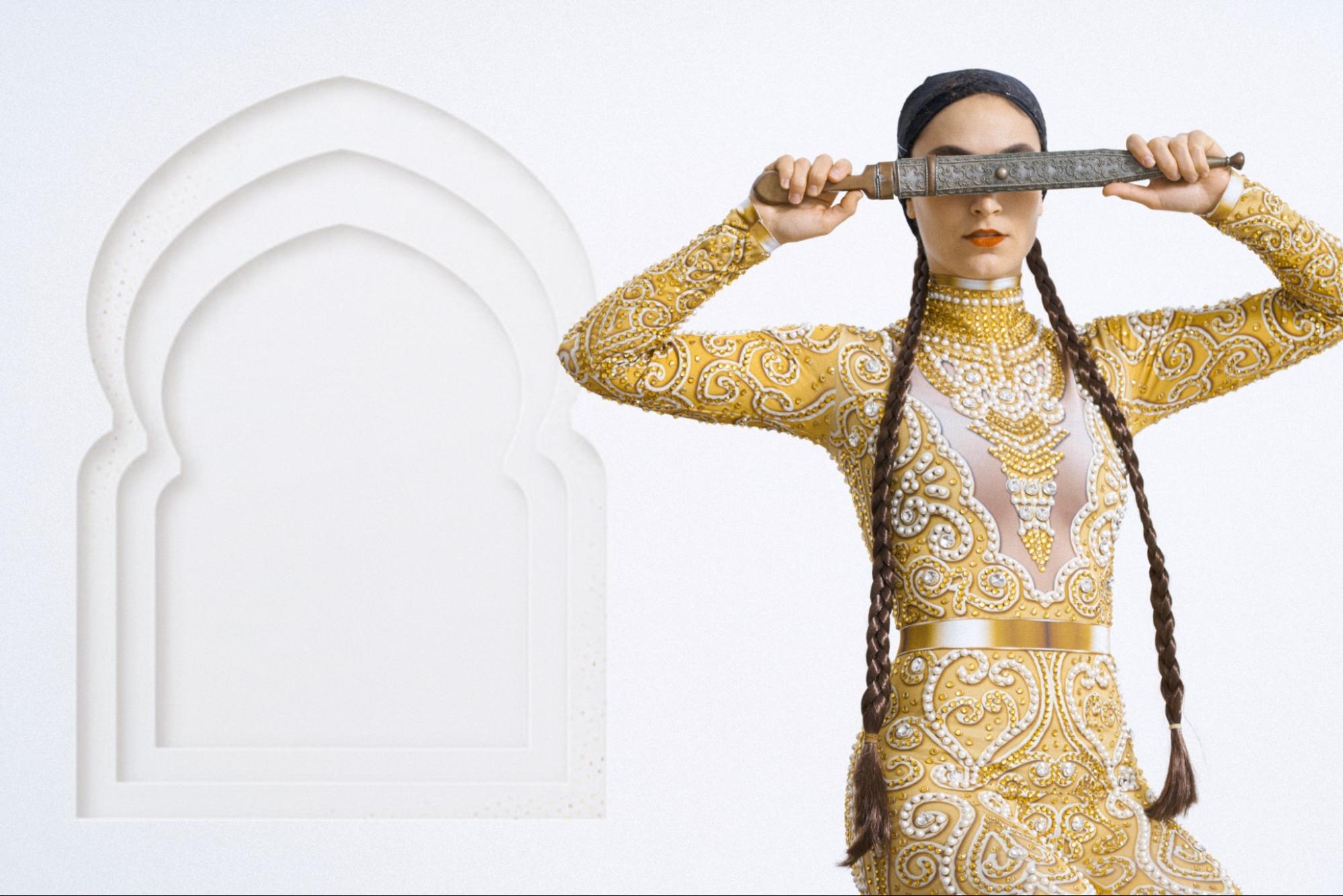
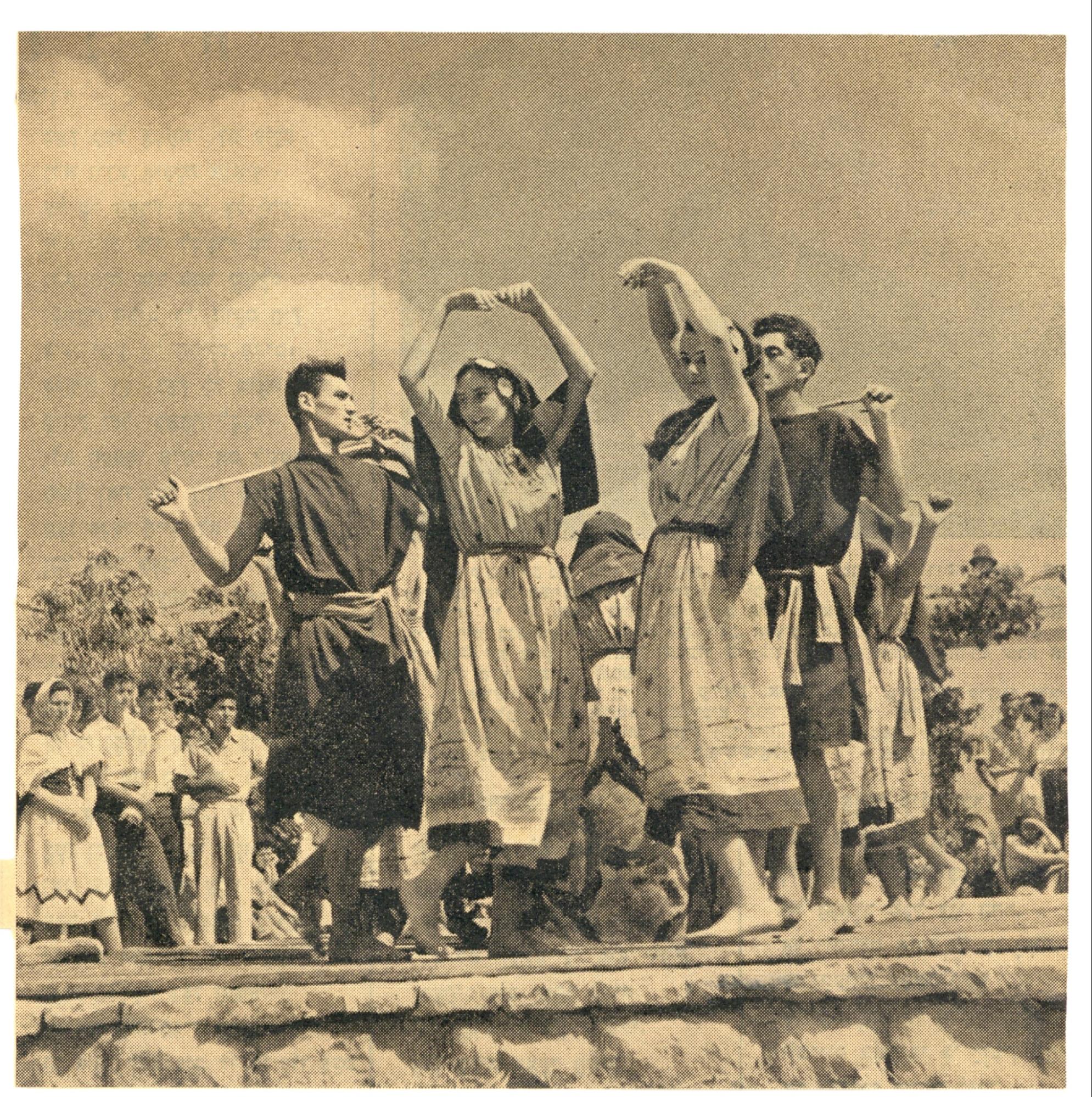
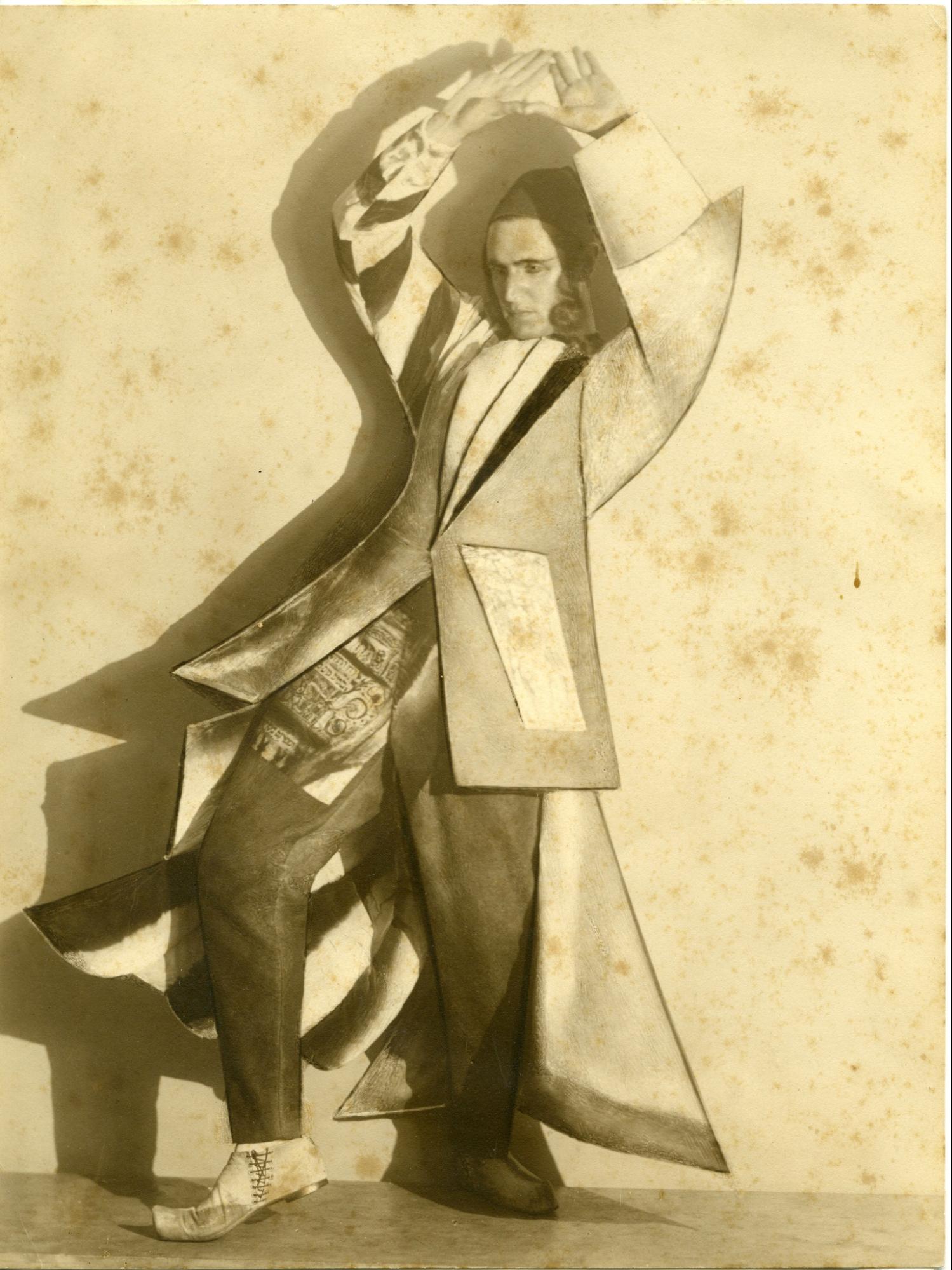
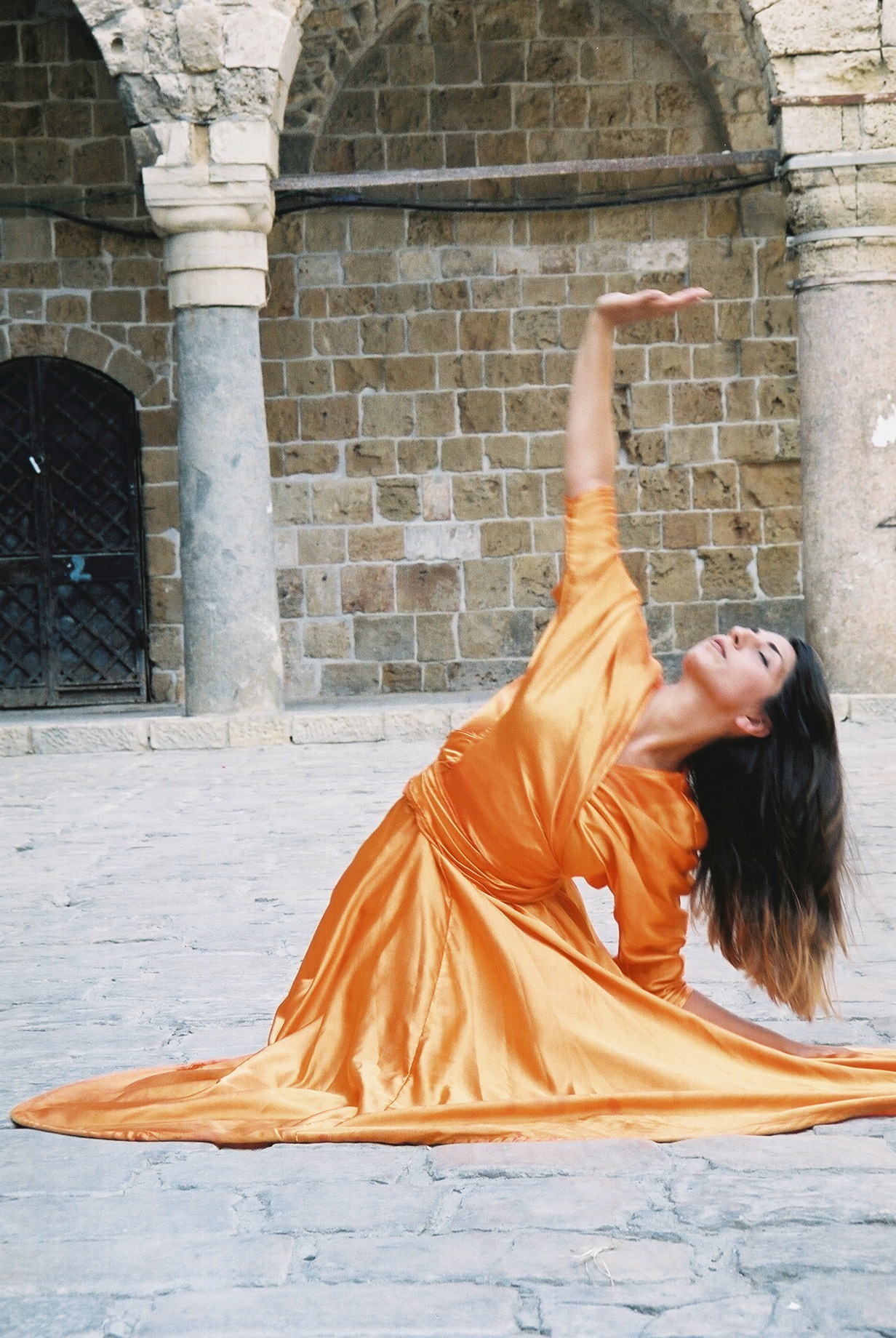
This article treats the Land of Israel as a cultural laboratory where ethnic, folk, and concert dance have cyclically diverged and converged. Tracing a century - from Ottoman rule and the Mandate through statehood and globalization - it follows early pioneers (Agadati, Nikova), Ausdruckstanz artists and holiday pageants, the post-1948 melting-pot government policy, and Sara Levi-Tanai's Inbal Dance Theater singular expansion of Yemenite sources. After an era of detachment (1960s–80s), rapprochement since the 1990s reflects pluralism and third-generation curiosity. Parallel Arab developments (dabkeh infrastructures, joint projects) and the Ethiopian-Israeli trajectory Eskesta Dance Troupe to Beta show how embodied micro-techniques can seed contemporary vocabularies. Recent exemplars, Orly Portal and Stav Struz-Boutrous, expand languages from within while interrogating gender, power, and identity. The article argues that Israeli dance models a plural modernity, where archives, pedagogy, and equitable collaboration sustain living traditions as engines for contemporary creation
 BRJ now supports Model Context Protocol
 ChatGPT
 Claude
 Gemini
Research ID
Universal Unique Research ID
Citation Generator
Cite This Research Manuscript
Eshel, R. (2025). Concert and Ethnic Dance in Israel: A Century of Divergence and Convergence. Boston Research Journal of Social Sciences & Humanities, 5(9), 21-46. https://doi.org/10.63942/brjssh.v5.i9.p21.67500
Figures
References
Agadati, B. (1927, October 17). [Quoted in Tzfira, p. 236].
Bahat-Ratzon, N. (2004). Dancing in the world and in Israel. Carmel.
Cohen, Y. (1963). The drum and the sea (Hatof ve Hayam). Hapoalim.
Elron, S. (2018). Rina Nikova: A biblical ballerina. The Cube – School and Gallery of Art.
Eshel, R. (2011). Eskesta Dance Theatre and Beta Dance Troupe. Dance Chronicle, 34(3), 388–421.
Eshel, R. (2017a). Dance spreads its wings – Israeli concert dance 1920–2000. Dance Diaries.
Eshel, R. (2017b). Dance spreads its wings – Israeli concert dance 1920–2010. De Gruyter.
Feder, D. (2022). From the other side: An interview with Ethiopian-Israeli dance artist Dege Feder. In N. Jackson, R. Pappas, & T. Shapiro-Phim (Eds.), The Oxford handbook of Jewishness and dance (pp. 173–190). Oxford University Press.
Gamzu, H. (1939, October). [Newspaper clipping]. Haaretz.
Goldberg, L. (1937, October 22). National competition of dancers. Davar.
Goren-Kadman, A. (2009). Is there a future for ethnic dance in Israel? Mahol Akhshav, 15(January), 15–17.
Kealiinohomoku, J. (1983). An anthropologist looks at ballet as a form of ethnic dance. In Moving history/Dancing culture (pp. 33–43).
Kesari, U. (1928, February 13). With Agadati over a cup of coffee. Doar Ha-Yom.
Kraus, G. (1947). Ofakim, 14.
Levi-Tanai, S. (1981, July 16). The dance and song of the Jews of Yemen [Lecture transcript]. Israel Dance Library, Beit-Ariela.
Levi-Tanai, S. (2011). From street urchin to international acclaim – A personal testimony. In J. B. Ingber (Ed.), Seeing Israeli and Jewish dance (pp. 25–42). Wayne State University Press.
Manor, G. (1978). The life and dance of Gertrud Kraus. Ha'kibbutz Ha'meuchad.
Manor, G. (Ed.). (1986). Agadati: The pioneer of modern dance in Israel. Sifrait Po’alim and The Israeli Dance Library. (Original work published 1984)
Manor, G. (1984). The multicolored boots of Baruch Agadati. In G. Manor (Ed.), Baruch Agadati: The pioneer of modern dance in Israel (p. 9). Sifriat Poalim and the Dance Library of Israel.
Nikova, R. (1953, November 30). Mevo'ot [File record]. Dance Library Archive at Beit Ariela.
Portal, O. (2011). Stations on the way to three works: Contemporary belly dance. Mahol Akhshav, 19(January), 10–13.
Portal, O. (2025). Orly Portal method. Mahol Akhshav, 48(August), 62–67.
Roginsky, D. (2004). Sixty years from the first Dalia conference, 1944–2004: Changes in Israeli folk dance. Mahol Akhshav (November), 30–48.
Ronen, D. (2004). Folk dances as a source of inspiration for artistic dance. Mahol Akhshav, 11(November), 75–81.
Rosenblit, E. (2009). Cassowaries: A feminine weave of ethnic dance on the stage. Mahol Akhshav, 15(January), 9–12.
Rothman, Y. (2009). Servants of all worlds: Barak Marshall works wonders in his new creation ‘Monger.’ Mahol Akhshav, 15(January), 13–15.
Rottenberg, H., & Roginsky, D. (2015). Sara Levi-Tanai: A life of creation. Resling.
Rozolio, D. (1927). [Newspaper clipping]. HaPoel HaTza’ir.
Shay, A. (1999). Parallel traditions: State folk dance ensembles and folk dance in 'the field.' Dance Research Journal, 31(1), 29–56.
Struz-Boutros, S. (2022). Folktales - COVID and the discovery of Georgian roots. Mahol Akhshav, 42(September), 11–13.
Tadmor, I. (2020). 'There's no peace, let's start to create': Rabeah Morkus and Ilanit Tadmor create together. In D. Roginsky & H. Rottenberg (Eds.), Moving through conflict: Dance and politics in Israel. Routledge.
Toledano, G. (2005). The story of a company: Sara Levy-Tanai and Inbal Dance Theater. Resling.
[Anonymous]. (n.d.). Impulse: The Annual Contemporary Dance (Vol. 20, pp. 24–33).
Copyright
© 2025 Eshel. This is an open-access article distributed under the terms of the Creative Commons Attribution License (CC BY 4.0). The use, distribution or reproduction in other forums is permitted, provided the original author(s) or licensor are credited and that the original publication in this journal is cited, in accordance with accepted academic practice. No use, distribution or reproduction is permitted which does not comply with these terms.
Journal compilation © 2026 Boston Research Journals.
*Correspondence: Dr. Ruth Eshel
Disclaimer
All claims expressed in this article are solely those of the authors and do not necessarily represent those of their affiliated organizations, or those of the publisher, the editors and the reviewers. Any product that may be evaluated in this article or claim that may be made by its manufacturer is not guaranteed or endorsed by the publisher.