
Evaluation of Hygiene and Sanitation Practices of Households in Mayahi (Niger): Area with High Prevalence of Child Malnutrition
Dr Firmin Kouassi Kouakou
Listen to the introduction
Abstract
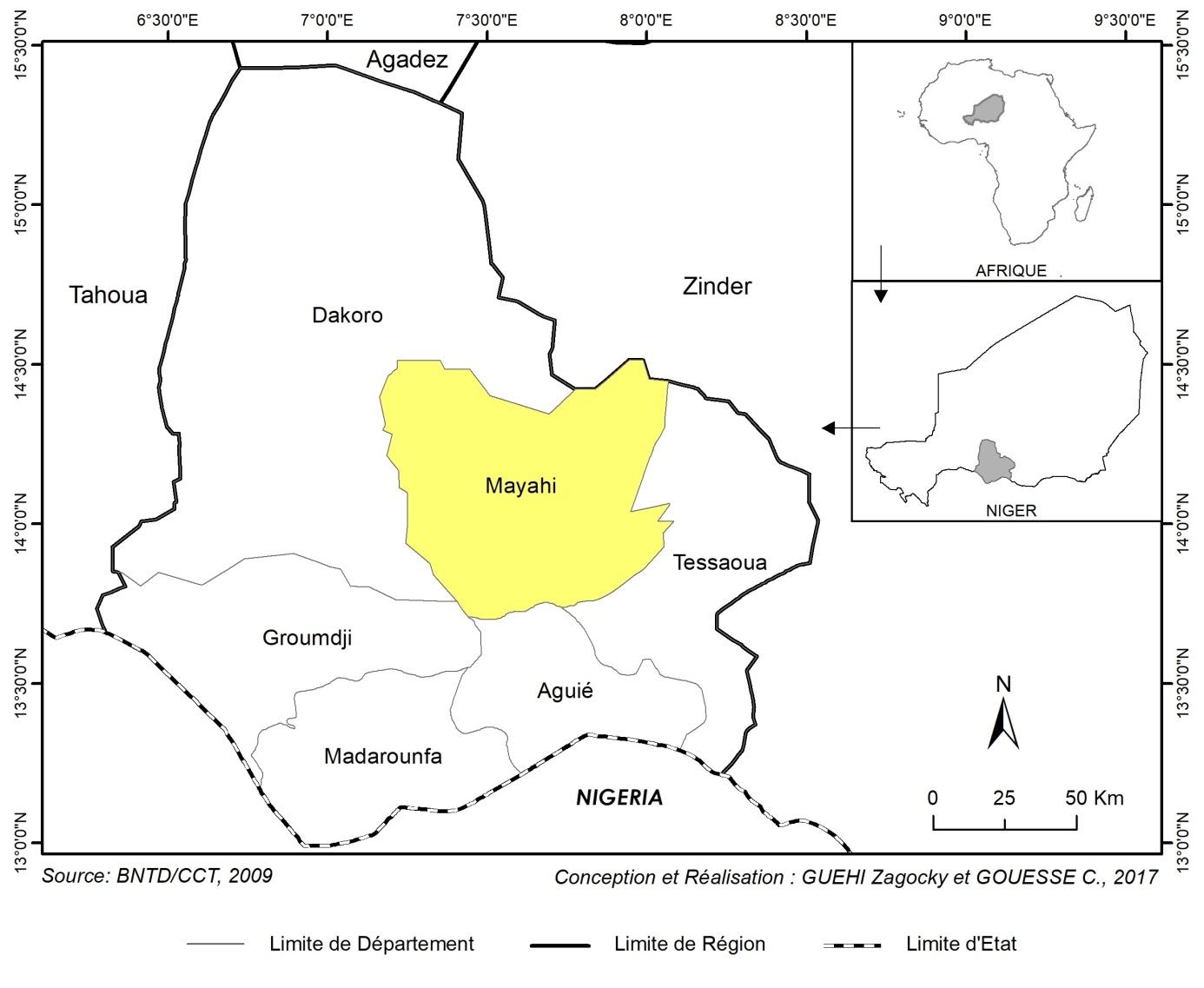
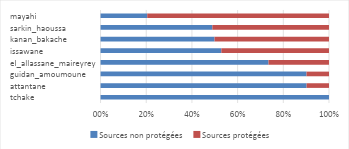
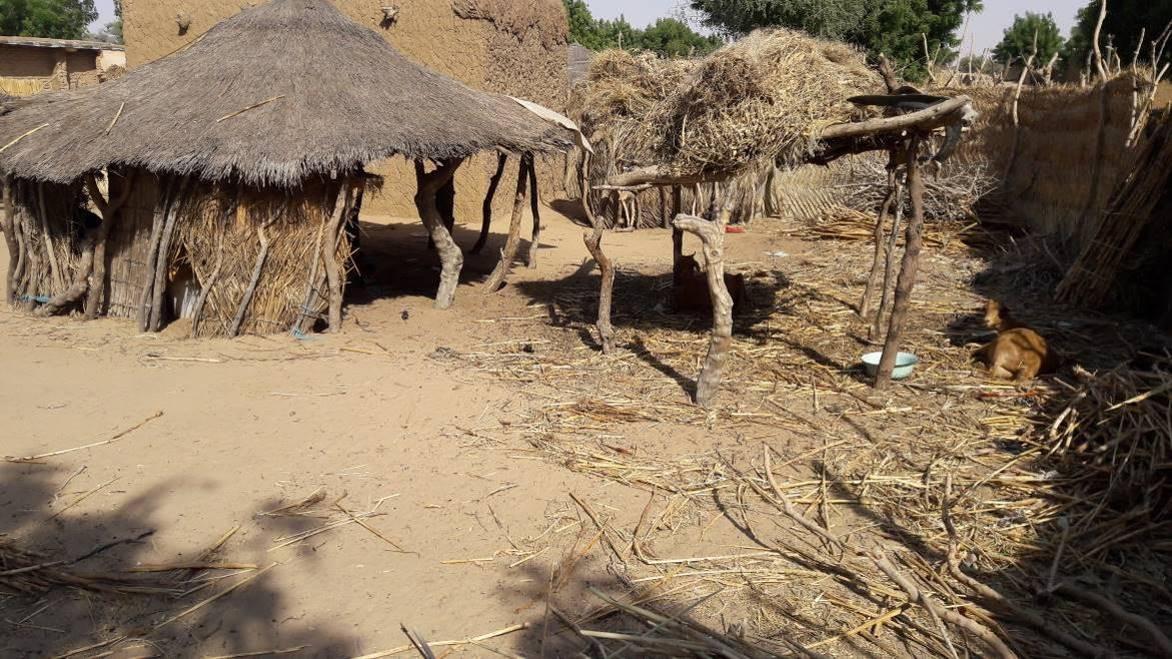
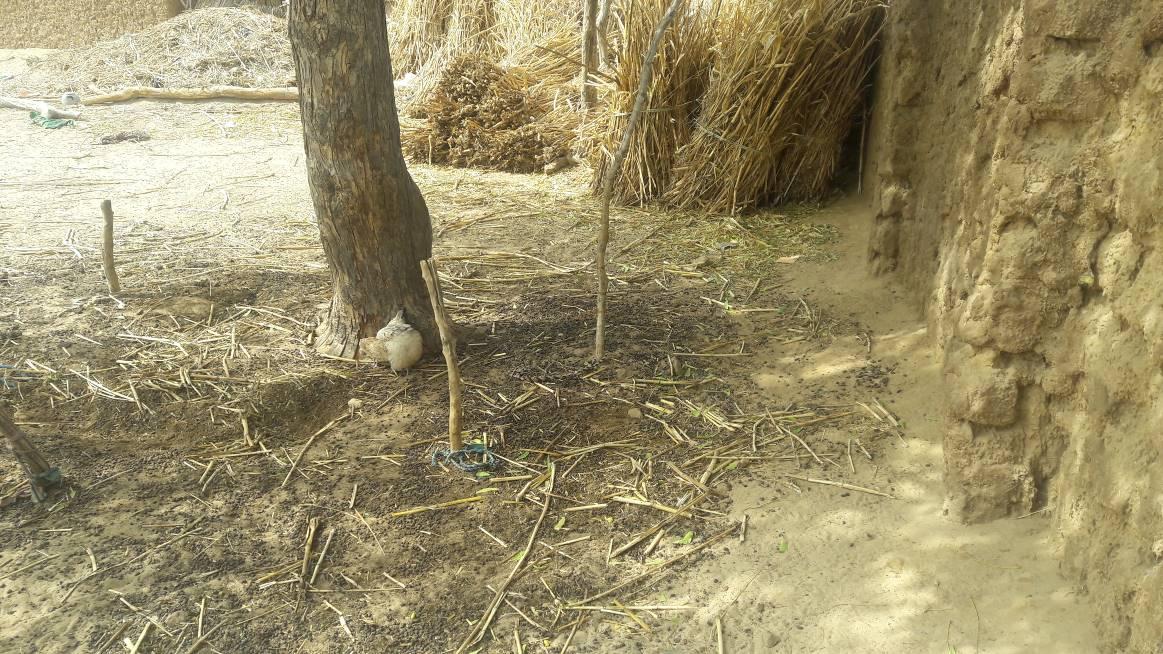
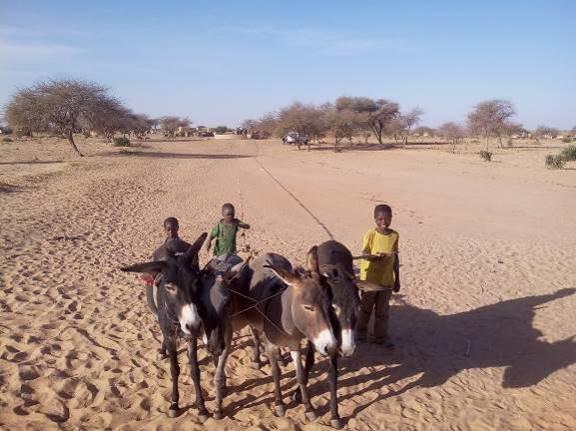
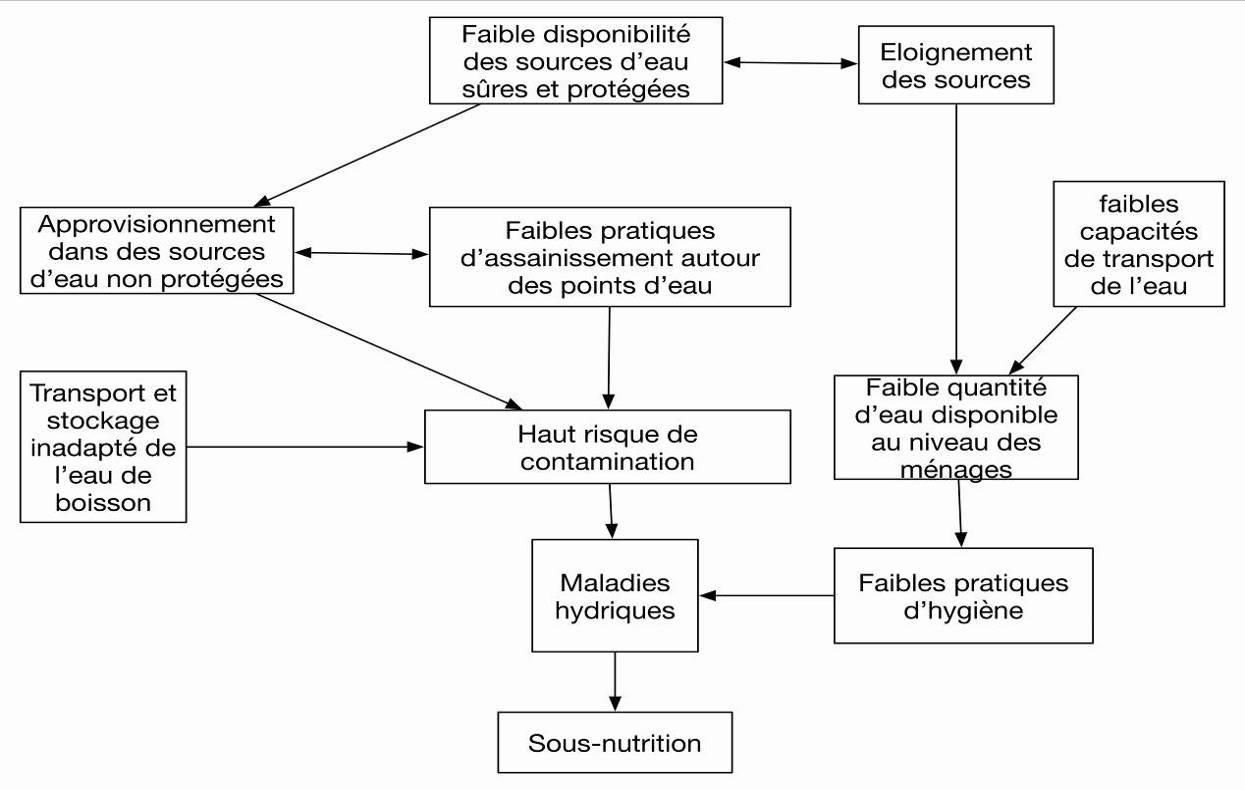
Le département de Mayahi, Région de Maradi au Niger, présentait en 2016 des taux de malnutrition aigues et chroniques supérieurs au seuil critique de l’Organisation Mondiale de la Santé (OMS). Les données exploitées proviennent de la collecte de données issue de l’analyse des causes de la sous nutrition par la méthodologie Link Nutritional Causal Analysis (Link NCA) qui s’est déroulée de décembre 2016 à mai 2017 à Mayahi au Niger. Les indicateurs sur les pratiques d’hygiène, d’assainissement et de la malnutrition de l’enfant ont été recueillis lors d’une enquête de facteurs de risque auprès de 734 ménages. Dans ces 1134 enfants âgés de 0-59 mois et 988 enfants âgés de 6-59 mois ont fait l’objet de mesures anthropométriques. Durant l’enquête qualitative, 16 groupes de discussions ciblés/orientés, 48 entretiens individuels et 4 réunions communautaires ont été organisés. Les résultats obtenus montrent que la faible présence de sources d’eau sûre et protégées d’une part ; et les faibles pratiques d’assainissement autours des puits augmentent le risque de contamination fécale lors de l’approvisionnement en eau de boisson. Cette eau non traitée, associées aux pratiques d’hygiène inadaptées est à la base de diverses maladies infantiles.
 BRJ now supports Model Context Protocol
 ChatGPT
 Claude
 Gemini
Research ID
Universal Unique Research ID
Citation Generator
Cite This Research Manuscript
Kouakou, D. F. K. (2025). Evaluation of Hygiene and Sanitation Practices of Households in Mayahi (Niger): Area with High Prevalence of Child Malnutrition. Boston Research Journal of Social Sciences & Humanities, 5(8), 61-80. https://doi.org/10.63942/brjssh.v5.i8.p61.65485
Figures
References
Action Contre la Faim. (2015). Guide méthodologique Link NCA. Link NCA. https://www.linknca.org
Action Contre la Faim. (2016). Étude Link NCA, District Sanitaire d’Abdi, Région du Ouaddaï, Tchad [Final Report]. International Medical Corps; USAID. https://www.actioncontrelafaim.org/wp-content/uploads/2018/01/nca_abdi_rapport_final_17052016.pdf
Action Contre la Faim. (2024, January 9). Tout savoir sur l’accès à l'eau dans le monde. https://www.actioncontrelafaim.org/a-la-une/tout-savoir-sur-lacces-a-leau-dans-le-monde/
Ake Tano, O., Tiembré, I., Konan, Y. E., Donnen, P., Dagnan, N. S., & Koffi, K. (2010). Malnutrition chronique chez les enfants de moins de 5 ans au nord de la Côte d'Ivoire. Santé Publique, 22(2), 213–220. https://doi.org/10.3917/spub.102.0213
Bentley, M. E., Wasser, H. M., & Creed-Kanashiro, H. M. (2011). Responsive feeding and child undernutrition in low- and middle-income countries. The Journal of Nutrition, 141(3), 502–507. https://doi.org/10.3945/jn.110.127027
Bhutta, Z. A., Das, J. K., Rizvi, A., Gaffey, M. F., Walker, N., Horton, S., Webb, P., Lartey, A., Black, R. E., & The Lancet Nutrition Interventions Review Group, the Maternal and Child Nutrition Study Group. (2013). Evidence-based interventions for improvement of maternal and child nutrition: What can be done and at what cost? The Lancet, 382(9890), 452–477. https://doi.org/10.1016/S0140-6736(13)60996-4
Black, R. E., Allen, L. H., Bhutta, Z. A., Caulfield, L. E., de Onis, M., Ezzati, M., Mathers, C., & Rivera, J. (for the Maternal and Child Undernutrition Study Group). (2008). Maternal and child undernutrition: Global and regional exposures and health consequences. The Lancet, 371(9608), 243–260. https://doi.org/10.1016/S0140-6736(07)61690-0
Bukenya, G. B., & Nkwolo, N. (1991). Compound hygiene, presence of standpipe and the risk of childhood diarrhoea in an urban settlement of Papua New Guinea. International Journal of Epidemiology, 20(2), 534–539. https://doi.org/10.1093/ije/20.2.534
Cairncross, S. (2003). Editorial: Water supply and sanitation: some misconceptions. Tropical Medicine & International Health, 8(3), 193–195. https://doi.org/10.1046/j.1365-3156.2003.01027
Chalimbaud, J., Coates, J., & Colaiezzi, B. (2015). Link NCA guidelines. Action Contre la Faim. https://www.actioncontrelafaim.org/wp-content/uploads/2018/01/link-nca-guidelines-version-2.0_french.pdf
Chang, S. M., Walker, S. P., Grantham-McGregor, S., & Powell, C. A. (2002). Early childhood stunting and later behaviour and school achievement. Journal of Child Psychology and Psychiatry, 43(6), 775–783. https://doi.org/10.1111/1469-7610.00088
Corbett, M. (2007). A causal analysis of malnutrition, including the minimum cost of a healthy diet, El Wak Northern Kenya. Save the Children UK. http://www.savethechildren.org.uk/sites/default/files/docs/Kenya_Cost_of_the_Diet.pdf
Département Technique Action contre la Faim (France). (2007). Dynamiques des interactions: Malnutritions, Eau Assainissement Hygiène, Infections. https://www.pseau.org/outils/ouvrages/acf_dynamiques_interactions_malnutrition_eau_hygiene_2007_fr.pdf
Direction de la Nutrition & Institut National de la Statistique. (2011). Rapport d’enquête nationale Nutrition Niger, mai/juin 2011. https://pnin-niger.org/web/wp-content/uploads/2018/11/RENjuin2011.pdf
Ejemot-Nwadiaro, R. I., Ehiri, J. E., Arikpo, D., Meremikwu, M. M., & Critchley, J. A. (2021). Hand washing promotion for preventing diarrhoea. Cochrane Database of Systematic Reviews, 1(12), CD004265. https://doi.org/10.1002/14651858.CD004265.pub4
Engle, P. L., Bentley, M., & Pelto, G. (2000). The role of care in nutrition programmes: Current research and a research agenda. Proceedings of the Nutrition Society, 59(1), 25–35. https://doi.org/10.1017/s0029665100000049
Esrey, S. A., Potash, J. B., Roberts, L., & Shiff, C. (1991). Effects of improved water supply and sanitation on ascariasis, diarrhoea, dracunculiasis, hookworm infection, schistosomiasis, and trachoma. Bulletin of the World Health Organization, 69(5), 609–621.
Fagundes, N. U., Martins, M. C., Lima, F. L., Patricio, F. R., & Toledo, M. R. (1994). Asymptomatic environmental enteropathy among slum-dwelling infants. Journal of the American College of Nutrition, 13(1), 51–56. https://doi.org/10.1080/07315724.1994.10718371
Fewtrell, L., Kaufmann, R. B., Kay, D., Enanoria, W., Haller, L., & Colford, J. M., Jr. (2005). Water, sanitation, and hygiene interventions to reduce diarrhoea in less developed countries: A systematic review and meta-analysis. The Lancet Infectious Diseases, 5(1), 42–52. https://doi.org/10.1016/S1473-3099(04)01253-8
Food and Agriculture Organization of the United Nations. (2011). Developing a response analysis framework for food security emergencies. http://www.fao.org/fileadmin/user_upload/emergencies/docs/Response_Analysis_Framework_Discussion_Papers.pdf
Food and Agriculture Organization of the United Nations, International Fund for Agricultural Development, World Health Organization, World Food Programme, & United Nations Children's Fund. (2018). The state of food security and nutrition in the world 2018: Building climate resilience for food security and nutrition. FAO.
Génération Nutrition, WaterAid, & End Water Poverty. (2015). Le rôle du secteur de l’eau, assainissement et hygiène dans la lutte contre la sous-nutrition infantile. https://scalingupnutrition.org/sites/default/files/2022-01/3-2385-16-1450402186.pdf
G., Maite. (2013). Capitalisation de la stratégie Wash in Nutrition dans le Sahel. Action Contre la Faim.
Hammer, J., & Spears, D. (2013). Village sanitation and children's human capital: Evidence from a randomized experiment by the Maharashtra government (Policy Research Working Paper Series 6580). The World Bank.
Harel, S. (2010). [Review of the book Multiculturalism, interculturality and diversity in education: An anthropological approach, by G. Dietz]. Ethnologies, 32(1), 241–245. https://doi.org/10.7202/045227ar
Humphrey, J. H. (2009). Child undernutrition, tropical enteropathy, toilets, and handwashing. The Lancet, 374(9694), 1032–1035. https://doi.org/10.1016/S0140-6736(09)60950-8
Institut National de la Statistique. (2016a). Enquête nationale de nutrition selon la méthodologie SMART.
Institut National de la Statistique. (2016b). Enquête sur la Vulnérabilité et l’Insécurité Alimentaire des Ménages (EVIAME) au Niger.
Koné, M. (2008). Stratégies des ménages et malnutrition infantile dans la région de Madarounfa. Afrique Contemporaine, 225(1), 161–197. https://doi.org/10.3917/afco.225.0161
Kouassi, K. F. (2019). Malnutrition infantile au Sahel: Les enjeux du cadre de vie et des pratiques domestiques en milieu rural Nigérien. International Journal of Law, Education, Social and Sports Studies, 6(1), 74–89.
Lacan, L., & Mayans, J. (2021, April 6). Malnutrition : des réponses intégrées EAH et sécurité alimentaire. Solidarités International. https://www.solidarites.org/fr/securite-alimentaire/malnutrition-des-reponses-integrees-eah-et-securite-alimentaire/
Leheman, J. O. (2016). Le manque d’accès aux toilettes et à l’eau potable, un facteur de malnutrition. WaterAid.
Masset, E., Haddad, L., Cornelius, A., & Isaza-Castro, J. (2012). Effectiveness of agricultural interventions that aim to improve nutritional status of children: Systematic review. BMJ, 344, d8221. https://doi.org/10.1136/bmj.d8221
Ministère de l’Hydraulique et de l’Assainissement. (2020). Rapport sur les indicateurs de l’eau et de l'assainissement pour l’année 2020.
Ministère de la Santé Publique, de la Population et des Affaires Sociales. (2019). Annuaire des statistiques sanitaires au Niger 2019. Institut National de la Statistique.
Molbak, K., Hojlyng, N., Ingholt, L., Da Silva, A. P., Jepsen, S., & Aaby, P. (1990). An epidemic outbreak of cryptosporidiosis: A prospective community study from Guinea Bissau. The Pediatric Infectious Disease Journal, 9(8), 566–570. https://doi.org/10.1097/00006454-199008000-00008
de Onis, M., Borghi, E., & Arimond, M. (2019). Prevalence thresholds for wasting, overweight and stunting in children under 5 years. Public Health Nutrition, 22(1), 175–179. https://doi.org/10.1017/S1368980018002434
de Onis, M., Frongillo, E. A., & Blössner, M. (2000). Is malnutrition declining? An analysis of changes in levels of child malnutrition since 1980. Bulletin of the World Health Organization, 78(10), 1222–1233.
Patricia, B., Diane, B., & Anne, S. (1999). Water and sanitation indicators measurement guide. Food and Nutrition Technical Assistance Project, Academy for Educational Development.
Pelletier, D. L., & Frongillo, E. A. (2003). Changes in child survival are strongly associated with changes in malnutrition in developing countries. The Journal of Nutrition, 133(1), 107–119. https://doi.org/10.1093/jn/133.1.107
Prüss-Ustün, A., Bos, R., Gore, F., & Bartram, J. (2008). Safer water, better health: Costs, benefits and sustainability of interventions to protect and promote health. World Health Organization.
Roy, I., & Defo, B. K. (2017). Commodités familiales et santé des enfants de moins de cinq ans en Haïti. Canadian Journal of Public Health, 108(5–6), e586–e597. https://doi.org/10.17269/CJPH.108.5921
Smith, L. C., & Haddad, L. (2002). Overcoming child malnutrition in developing countries: Past achievements and future choices. International Food Policy Research Institute. https://ebrary.ifpri.org/utils/getfile/collection/p15738coll2/id/76335/filename/76336.pdf
Sphere. (2018). The Sphere handbook: Humanitarian charter and minimum standards in humanitarian response (4th ed.).
United Nations Children’s Fund. (1990). Strategy for improved nutrition of children and women in developing countries.
United Nations Children’s Fund. (1998). The state of the world's children 1998. Oxford University Press for UNICEF.
United Nations Children’s Fund. (2012). Nutrition glossary: A resource for communicators. https://www.unicef.org/lac/Nutrition_Glossary_6_10_12(3).pdf
United Nations Children's Fund & World Health Organization. (2019, June 18). 1 in 3 people globally do not have access to safe drinking water. [Press release]. https://www.who.int/fr/news/item/18-06-2019-1-in-3-people-globally-do-not-have-access-to-safe-drinking-water-%e2%80%93-unicef-who
United Nations System Standing Committee on Nutrition. (2020). Water and nutrition: Harmonizing actions for the United Nations Decade of Action on Nutrition and the United Nations Water Action Decade.
USA, Population Council. (1996). Niger: Results from the Demographic and Health Survey. Studies in Family Planning, 27(5), 285–289. https://doi.org/10.2307/2138012
Victora, C. G., Adair, L., Fall, C., Hallal, P. C., Martorell, R., Richter, L., & Sachdev, H. S. (for the Maternal and Child Undernutrition Study Group). (2008). Maternal and child undernutrition: Consequences for adult health and human capital. The Lancet, 371(9609), 340–357. https://doi.org/10.1016/S0140-6736(07)61692-4
Walker, S. P., Grantham-McGregor, S. M., Powell, C. A., & Chang, S. M. (2000). Effects of growth restriction in early childhood on growth, IQ, and cognition at age 11 to 12 years and the benefits of nutritional supplementation and psychosocial stimulation. The Journal of Pediatrics, 137(1), 36–41. https://doi.org/10.1067/mpd.2000.107222
WaterAid & SHARE. (2016). The missing ingredients: Are policy-makers doing enough on water, sanitation and hygiene to end undernutrition?. https://washmatters.wateraid.org/sites/g/files/jkxoof256/files/The-missing-ingredients.pdf
World Health Organization. (1995). Physical status: The use and interpretation of anthropometry (WHO Technical Report Series, No. 854).
World Health Organization. (2008). Safer water, better health: Costs, benefits and sustainability of interventions to protect and promote health.
Ziegelbauer, K., Speich, B., Mäusezahl, D., Bos, R., Keiser, J., & Utzinger, J. (2012). Effect of sanitation on soil-transmitted helminth infection: Systematic review and meta-analysis. PLOS Medicine, 9(1), e1001162. https://doi.org/10.1371/journal.pmed.1001162
Copyright
© 2025 Kouakou. This is an open-access article distributed under the terms of the Creative Commons Attribution License (CC BY 4.0). The use, distribution or reproduction in other forums is permitted, provided the original author(s) or licensor are credited and that the original publication in this journal is cited, in accordance with accepted academic practice. No use, distribution or reproduction is permitted which does not comply with these terms.
Journal compilation © 2026 Boston Research Journals.
*Correspondence: Dr Firmin Kouassi Kouakou
Disclaimer
All claims expressed in this article are solely those of the authors and do not necessarily represent those of their affiliated organizations, or those of the publisher, the editors and the reviewers. Any product that may be evaluated in this article or claim that may be made by its manufacturer is not guaranteed or endorsed by the publisher.